How to Make a Detroit Beat Like Rio Da Yung OG and Babyfxce E
Need articles like this for your video? They help promote it on YouTube and Google — order them in the Telegram bot @sat_sit_bot. Articles with your video embedded are written and posted by the bot itself — on popular topical sites (no ads). Try it free: 50 articles on us.
· based on the channel Reuel StopPlaying
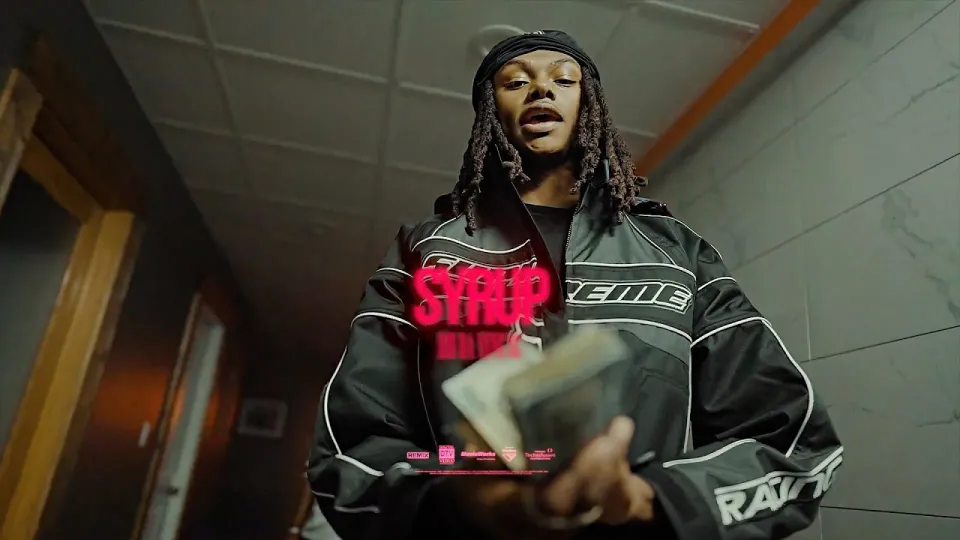
A Detroit beat is built from a short, looped melodic sample, halftime drums around 95–105 BPM, a distorted 808 that slides between notes, and space left for dense, conversational raps. That formula is exactly what the Rio Da Yung OG x Babyfxce E type beat “Syrup” from producer Reuel StopPlaying works from, and you can download it free for non-profit use through this beat link before you start building your own version.
What defines the Detroit beat sound
Detroit rap production is a loop-first style: a producer finds or plays a two- to four-bar melodic phrase, repeats it almost unchanged, and lets the drums and the vocal do the moving. The genre grew out of Michigan's independent scene, where artists like Rio Da Yung OG, Babyfxce E, Krispylife Kidd, Grindhard E, RMC Mike and Babytron built regional followings on cheap, hard-hitting beats rather than polished radio records.
The core ingredients are consistent:
- A melodic loop, usually keys, guitar, flute or a pitched vocal chop, filtered to sound slightly lo-fi.
- Tempo between 95 and 105 BPM, played with halftime feel so the snare lands on beat three.
- A distorted 808 bass that glides and slides rather than sitting static.
- Sparse percussion: kick, snare or clap, and fast hi-hat rolls.
- Large amounts of empty space, because the vocal is dense and needs room.
Flint style, often requested alongside Detroit type beats, pushes the same template darker and slower, with heavier distortion and more aggressive 808 patterns. The two scenes overlap heavily, and most modern type beat packs label both.
How to build the melodic loop first
Start with the loop before you touch a drum kit, because in Detroit production the melody dictates the pocket. Pick a minor key and write a two-bar phrase with three or four notes; repetition matters more than complexity. A simple guitar riff, a detuned electric piano chord or a filtered vocal sample all work.
Practical steps:
- Record or import the phrase at the final tempo, then low-pass it around 8–12 kHz to remove harshness.
- Add light saturation and a short room reverb so the loop sits in a small space.
- Bounce the loop and chop it so the first beat of the bar is slightly clipped; that tiny gap is what makes rappers find the pocket.
- Keep the loop mono or narrow in stereo, then widen only one element, such as a background pad or a vocal chop.
If you are sampling, clear the source before any commercial release. Type beats built on uncleared samples are fine for practice and free demos, but not for paid distribution.
How to program Detroit drums and 808s
Detroit drums are simple patterns executed with attitude. Set the project to 95–105 BPM and program a kick on beat one, a snare or clap on beat three, and hi-hats in eighth notes with occasional 32nd-note rolls. Leave the second and fourth beats relatively open so the vocal carries them.
For the low end, load an 808 or a sine-based bass and apply distortion or soft clipping. Program slides between root notes rather than writing a busy bassline: one long note that glides into the next is more characteristic than a rapid melodic run. Sidechain the 808 to the kick, or cut the kick short, so the two do not fight for the same low frequencies.
A few concrete settings to try:
- Kick tuned to the key of the loop, with a short decay so it punches and gets out of the way.
- 808 with a glide time of 60–120 ms and moderate distortion, then a high-pass filter on everything below 30 Hz to keep the mix clean.
- Snare layered with a clap and a tight room reverb, mixed slightly behind the kick.
- Hi-hats panned subtly, with rolls automated in velocity rather than machine-gunned at full volume.
How to mix and arrange for a Rio Da Yung OG style verse
Mix the beat around the vocal, not the other way around. Detroit rappers deliver long, unbroken verses with little hook space, so the instrumental has to stay out of the midrange. Carve a pocket between roughly 500 Hz and 2 kHz by dipping the loop slightly, and keep the 808 and kick dominant below 100 Hz.
Arrangement tips that match the reference style:
- Intro of two to four bars with the loop filtered and no drums.
- Drop the full drum pattern for the first verse and keep it unchanged.
- Remove the 808 for one bar before a switch to create a breath.
- Add a single new element, such as a bell or a vocal ad-lib chop, only in the second half.
- End on the loop with the drums cut, so the artist can land a final line.
Keep the master around -6 dB of headroom before sending the beat out; artists will record over it and want room to work.
Free download rules and licensing for type beats
The “Syrup” beat from Reuel StopPlaying is free for non-profit use only, and that condition is stricter than many producers expect. Free downloads cover personal listening, free demos and promotional mixtapes, streaming your song on YouTube or Facebook, and live shows that do not generate profit. Any for-profit release, including paid distribution and monetized streaming, requires a non-exclusive or exclusive license purchased through the beat store link.
Written credit is mandatory. Use the format “Produced by (Producer Name) for SoundFirst Productions” in every video description, upload and physical or digital release that uses the beat. Where written credit is impossible, record a vocal credit instead. The producer reserves the right to change the policy, so save a copy of the terms when you download.
Common questions about Detroit type beats
Listeners and artists regularly raise the same doubts about this style, and most of them have straightforward answers.
- The producer tag is loud or distracting. Tags are placed deliberately to prevent unlicensed use. If a tag bothers you, buy the licensed version, which usually comes untagged.
- The beat sounds too simple to rap on. Simplicity is the point. Sparse loops leave room for dense verses; adding more melody usually makes the vocal harder to record.
- Which DAW do I need? Any DAW works. Free options handle the loop, drums and 808 programming fine, and the sound comes from sample choice and mixing decisions, not the software.
- Can I change the tempo or key? Yes for practice, but a pitched-down or slowed version changes the vocal pocket. If you plan to release it, license the beat and ask the producer about alternate versions.
- How do I find the pocket? Count the snare on beat three and start your first bar slightly behind the kick. Most Detroit verses sit just behind the beat rather than on top of it.
Useful links
- Beat download and license purchase: https://bit.ly/2mxSONh
- Producer on Twitter: https://twitter.com/reuelethan
- Producer on Instagram: http://instagram.com/Reuelethan
Final thoughts on building a Detroit beat
A Detroit beat succeeds through restraint: one strong loop, halftime drums, a sliding distorted 808 and space for the rapper. Work at 95–105 BPM, mix around the vocal, and resist the urge to fill every bar. If you want a ready-made reference, grab the “Syrup” type beat free for non-profit use at the download page, credit it correctly, and license it before any paid release. This breakdown comes from the Reuel StopPlaying channel, which publishes free Detroit and Flint type beats and the licensing terms that go with them.
Key takeaways
- Detroit style sits around 95–105 BPM with halftime drums and fast hi-hat rolls
- The low end is carried by a distorted 808 glide, not a clean sub bass
- Rio Da Yung OG and Babyfxce E trade short, punchy bars over sparse loops
- The "Syrup" type beat by Reuel StopPlaying is free for non-profit use only
- Commercial use of that beat requires a non-exclusive or exclusive license
Source: [FREE] Rio Da Yung OG x Babyfxce E Type Beat - “Syrup” | Detroit Type Beat · Markdown version
Questions & answers
What tempo should a Detroit type beat be?
Most Detroit and Flint style beats sit between 95 and 105 BPM with a halftime feel, so the snare lands on beat three. Slower tempos around 90 BPM lean toward the darker Flint sound, while faster ones push toward a more energetic Detroit bounce.
Can I release a song on a free type beat and make money from it?
No. The “Syrup” beat and similar free downloads from Reuel StopPlaying are licensed for non-profit use only, covering demos, promo uploads and non-paying shows. Any monetized release, including paid distribution and streaming revenue, requires a non-exclusive or exclusive license.
How do I credit the producer when I use a free beat?
Write “Produced by (Producer Name) for SoundFirst Productions” in every video description, upload and physical or digital release that uses the beat. If written credit is genuinely impossible, record a spoken vocal credit instead.
Why do Detroit beats sound so repetitive?
Repetition is a deliberate production choice. A short, unchanged loop leaves midrange space for long, dense verses, and small variations such as dropping the 808 for a bar create movement without distracting from the vocal.